How to Identify Pure Natural Honey: The Ultimate Quality Guide
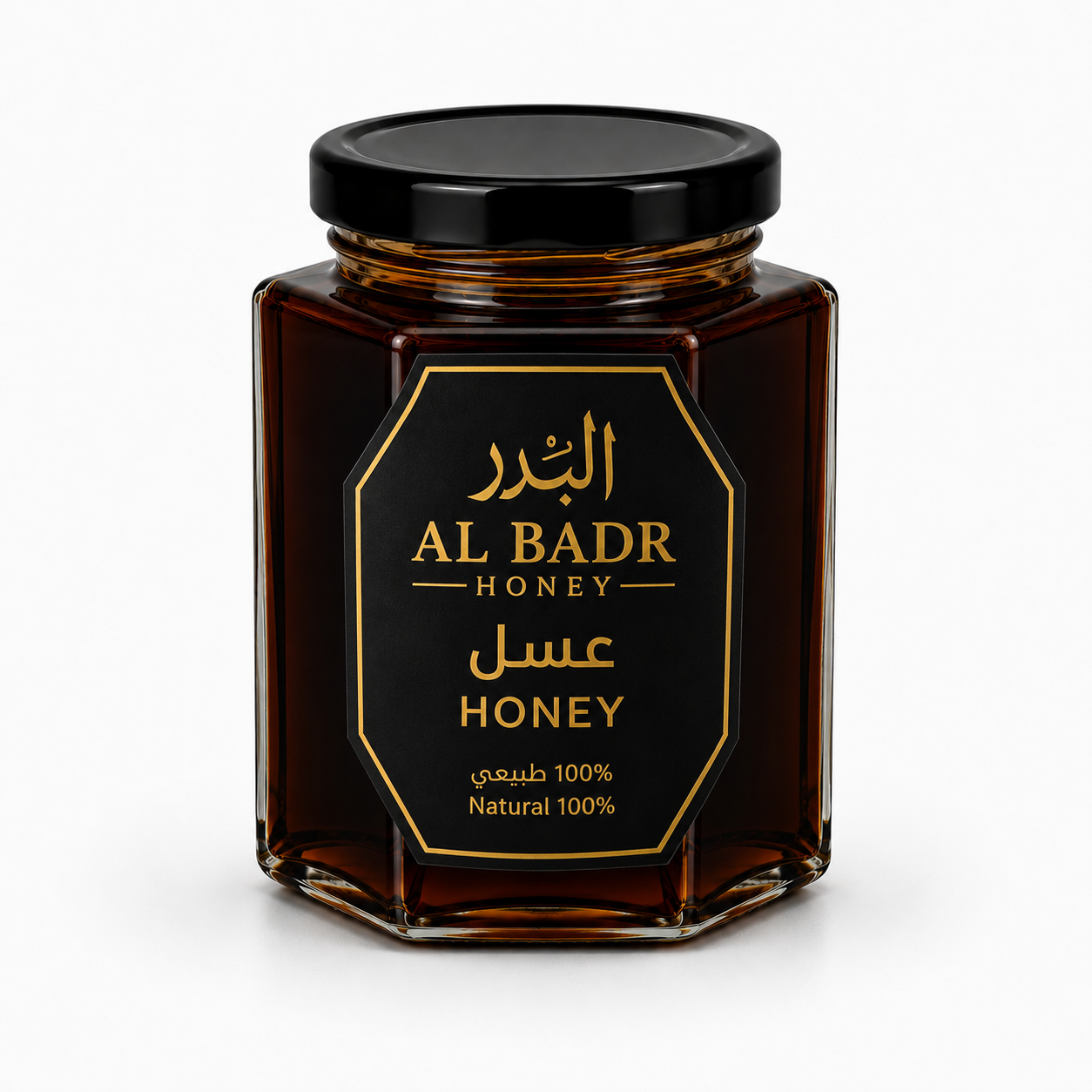
Ensuring you are consuming authentic, unadulterated raw honey is essential for receiving its true medicinal benefits. In this guide, we break down official laboratory testing standards, debunk widespread myths, and highlight practical quality indicators.
1. Debunking Common Folk Myths
Social media videos frequently showcase tests such as burning honey on matchsticks or drawing honeycomb patterns in water. Scientifically, these phenomena are dictated solely by moisture content and surface tension, offering zero chemical proof of true purity.
2. Scientific Laboratory Metrics (SFDA Standards)
- HMF Levels (Hydroxymethylfurfural): Indicates heat damage or aged storage. Must remain below 40 mg/kg.
- Diastase Enzyme Activity: Measures natural live enzymes secreted by bees. Low levels signify overheating or dilution.
- Moisture Content: Pure high-grade honey must contain less than 18% water to prevent fermentation.
3. Honey Crystallization: Natural Phenomenon vs Adulteration
Crystallization is often misunderstood as sugar adulteration. In reality, raw unheated honey naturally crystallizes depending on its glucose-to-water ratio. Pure flower honeys solidify naturally, confirming the presence of active pollen and absence of pasteurization.